


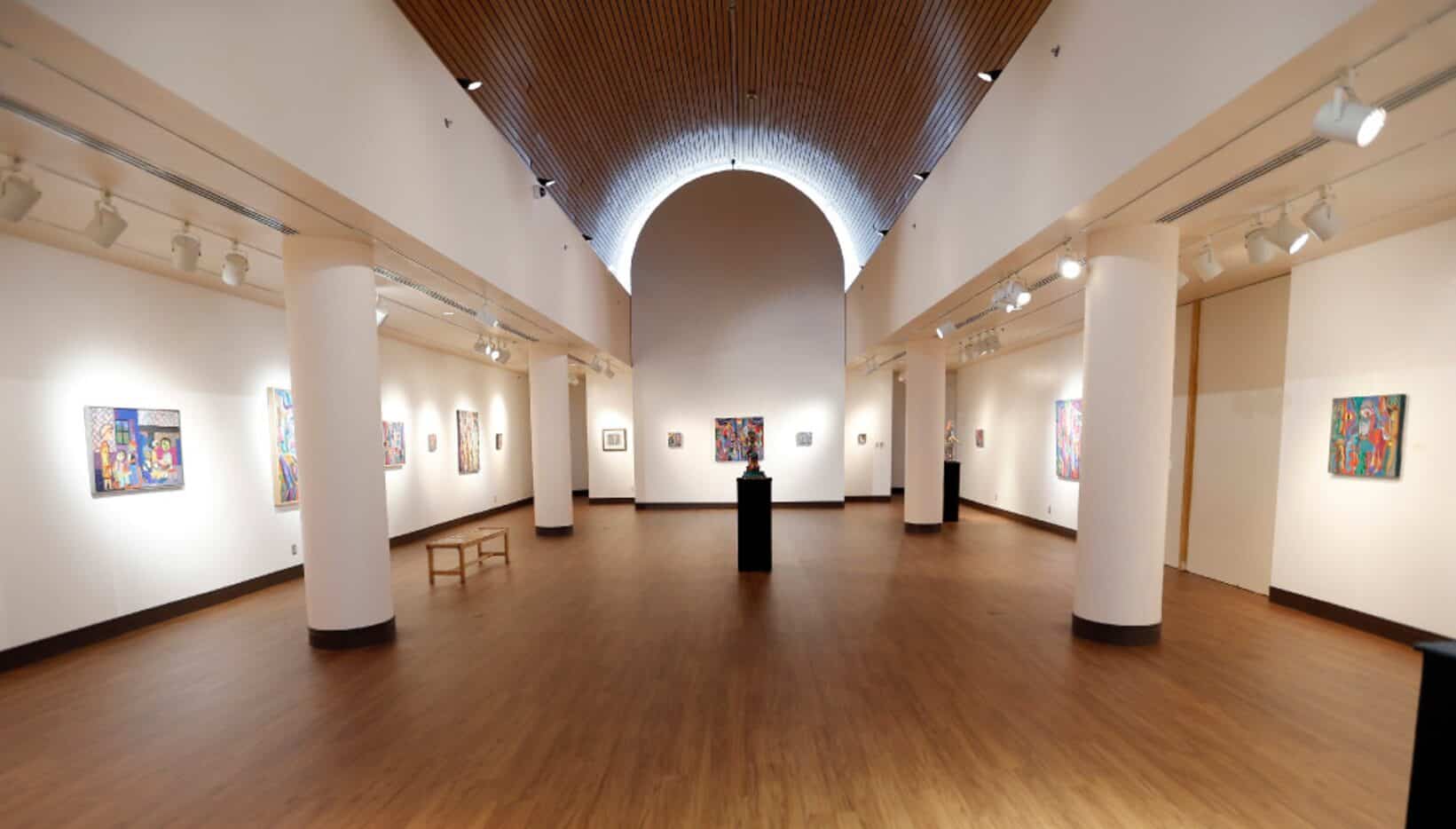
The African American Museum, Dallas is entering a significant new chapter in its preservation work. This month, Communities Foundation of Texas awarded the museum a $250,000 grant to support the first phase of a three-year conservation initiative, strengthening the long-term care of its extensive archival, fine art, and folk-art collections.
At the center of the project is the creation of the Harry Robinson Jr. Research and Conservation Lab, a purpose-built facility dedicated to preservation, digitization, and scholarly research. Scheduled to open in February 2026, the lab will replace the museum’s existing second-floor storage area and introduce professional conservation furnishings, digitization equipment, and specialized tools designed to safeguard rare photographs, documents, recordings, and artworks.
For the Museum, the grant represents more than infrastructure. It marks an investment in memory itself. “Every photo cataloged, every letter preserved, is a bridge to tomorrow,” said Margie J. Reese, senior programs director at the African American Museum, Dallas, underscoring the role conservation plays in sustaining cultural continuity.
The Museum’s archives trace a sweeping narrative of African American life in Dallas, Texas, and beyond. Holdings include papers from civic leaders such as attorney L.A. Bedford and George Allen, the first African American elected to the Dallas City Council and to serve as Mayor Pro Tem, alongside recordings from jazz artist Shirley McFatter and longtime Lincoln High School music director Maurine F. Bailey. Together, these materials offer scholars and the public an intimate view into the city’s political, cultural, and artistic history.
Among the most significant components of the archive is the Sepia magazine collection, founded in Fort Worth in 1947. With more than 40,000 images, the collection documents African American leadership and cultural life through portraits of figures including Thurgood Marshall, Dr. Martin Luther King Jr., Malcolm X, Aretha Franklin, Cicely Tyson, and Ray Charles. Preserving this visual record is a central priority of the new conservation initiative.
The CFT grant also builds on recent momentum. Earlier this year, the Texas Historical Commission awarded the Museum $3 million to support subsequent phases of the conservation plan, including the creation of a fully equipped Conservation Center and new climate-controlled storage for both archival materials and the Museum’s nationally recognized African American folk art collection. Together, the investments position the Museum as a regional hub for preservation and research.
Founded in 1974 and operating independently since 1979, the African American Museum, Dallas has long served as a cultural anchor within Fair Park and the broader Southwestern United States. As historian-in-residence Dr. W. Marvin Dulaney noted, archives are essential tools for public understanding, ensuring that the histories of Dallas and Texas remain accessible to future generations.
With the launch of the Harry Robinson Jr. Research and Conservation Lab, the museum affirms that preservation is not a static act, but an ongoing commitment, one that links past, present, and future through care, research, and access.
For more information, visit aamdallas.org.