


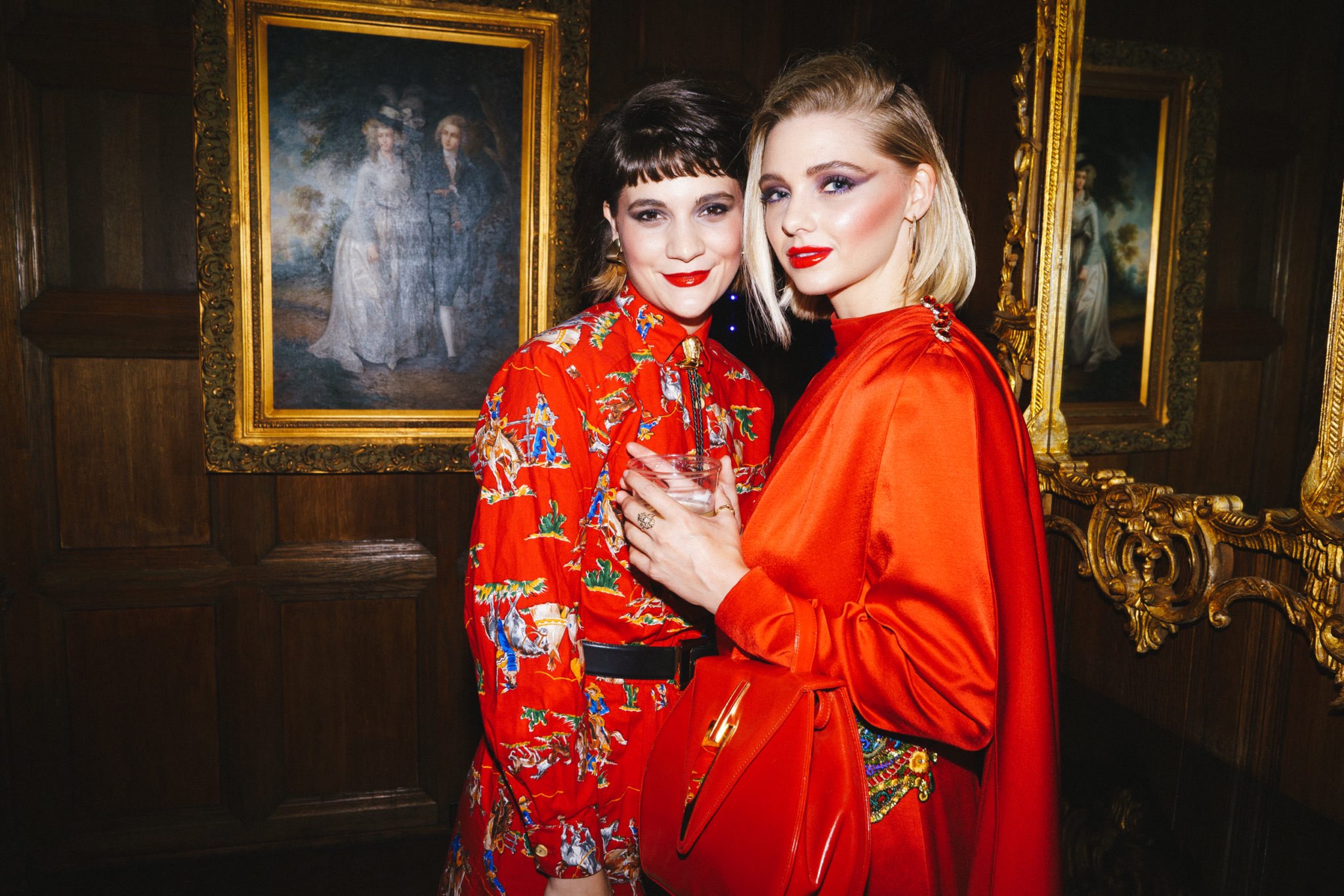
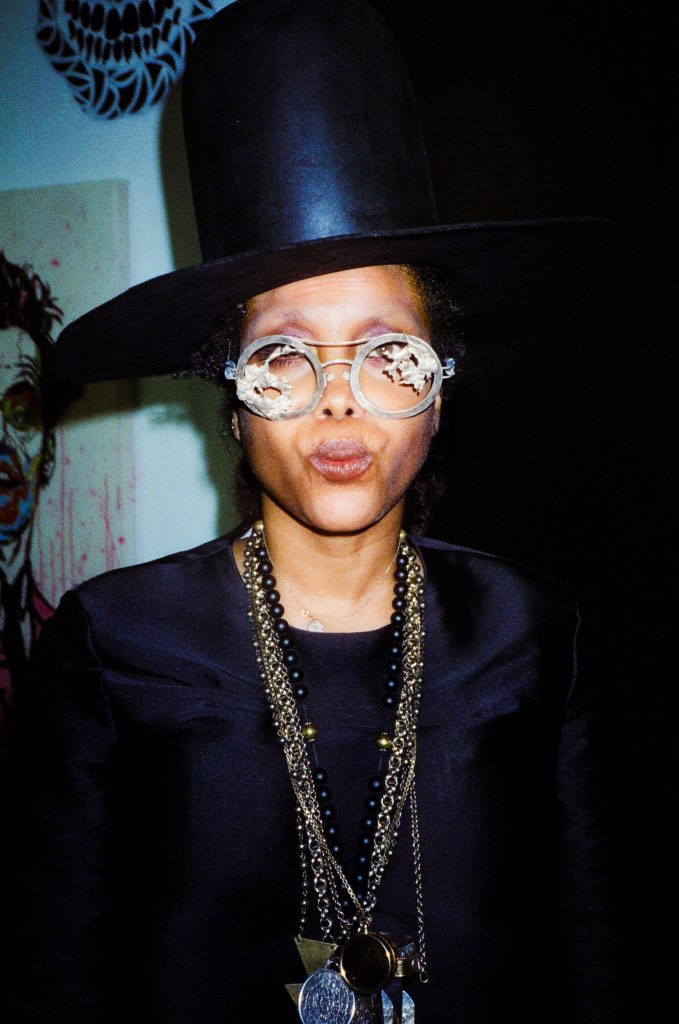
Nightly, streams of people pour out of bars in Deep Ellum after last call, and it?s there you will find Karlo X. Ramos. Evolving through the years with the crowd, Ramos has photographed Dallas-based musicians, venues and the traveling acts playing in them. Recently, Ramos turned his camera lens toward the crowd and inhabitants of the city. His photographs capture the grit and street style of Dallas currying favor with its creative class. Ramos shares his background, work, and perceptions of the ever-evolving Dallas landscape.
Patron: How long have you been in Dallas?
Karlo X. Ramos: I?ve been living in Dallas officially since 2011 after growing up in Puerto Rico.
P: When did you begin your career in photography?
KR: I decided to start making pictures around 2008 after years of working and playing with bands in the local music scene in Puerto Rico. I was a freelance graphic designer at that time while I was in college and wanted to create my own pictures to include in my personal designs, so that prompted me to buy my first camera. From there I started taking my camera to shows. Little by little music took a backseat since I was falling in love creating images. I put my focus on photography and started creating a small business around it, which evolved into music videos and album design for my friends in the other bands.
P: Tell me a little bit about your style of photography?
KR: My style is very raw, I feel. My intent is to show life, and stories either fictional or factual. I like to leave a certain openness to photographs so that the viewer can complete the story in the frame with their own experiences and biases. But more than that, my intent is to always make the viewer stop and see, hopefully feel, and maybe even live vicariously through the pictures I make.
P: Who are some photographers that inspire you?
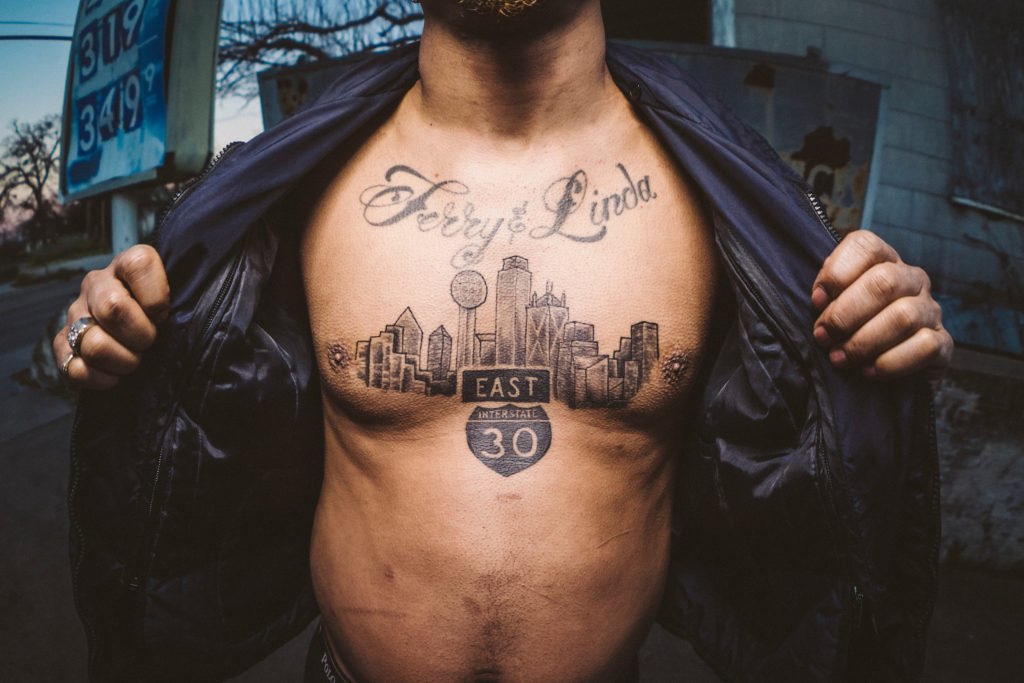
KR: I?m a very visual person so creatives that work and create experiences and visual works are usually my go to. I?m big into collecting photo books and zines. I really enjoy the work of masters like Avedon, Helmut Newton, Weegee and Gordon Parks, music photographers like Jim Marshall, Bob Gruen, Mick Rock, Anton Corbjn as well as contemporary photographers like Ed Templeton, Glen Friedman, Esteban Oriol, and Nan Goldin
P: What do you look for in a photograph?
KR: I look for feelings?obviously some fundamentals too. I look to understand the intent of the photographer. To me, a photograph needs to communicate and carry a message beyond being ?cool? in order for me to resonate with it. If I don?t feel it, or it does not appeal to my sensitivities, I’ll move on to the next.
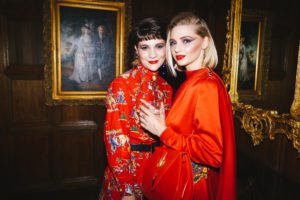
P: Tell me about a crazy experience you’ve had on the job.
KR: I shoot a lot of shows at night and I?ve been in situations where I?m shooting from the pit and get hit a lot. I think the ?baddest? one was when this hardcore band from LA came through town and the singer decided to stage dive. When I tried to duck to let him go over me he came low and I took a hard knee to my left eye and got cut. I kept shooting though. He later stormed off the stage mid-performance and took the show outside the club then proceeded to climb on his touring van and did a somersault from the van into the crowd, giving me one of my favorite shots. A year later he came through again and I gave him a print of the shot. We talked a bit about that night, and he told me he was mad because they had got into a car accident while on their way to the show. So they were letting off steam that night.
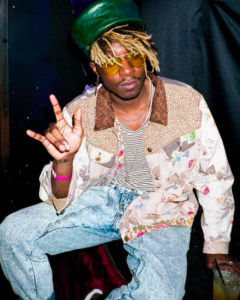
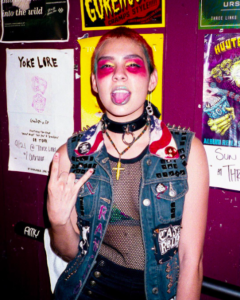
P: How has Dallas’ nightlife changed over the years?
KR: Things started to move after 2013. At that time I landed one of my all-time-favorite gigs as a photographer for Red Bull?s Sound Select program where I shot some of the most carefully curated and innovative shows at the time. This opened up a lot of opportunities for me and was definitely a breath of fresh air and a unique cultural injection for the city.
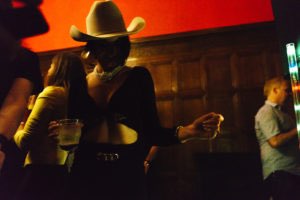
Fast forward to 2017, I think these past years have seen a rise in the club/party culture and DJs, especially in Deep Ellum known for live music. The focus locally has shifted a bit from live shows to parties in an effort to cater to the rising demand of entertainment as new bars pop up almost every other month. In the end, there’s nothing wrong with it. To me, it?s just a sign of the times and I feel it’s an interesting change in the way people enjoy music. Photographically it has made my work different and has made me change my focus from shooting the stage performance to shooting characters and people in the crowd. In a way, it has made me more of a people person.
P: How has Dallas changed over the years?
KR: I think the biggest change in Dallas has been the fast rise of Deep Ellum and the change in the crowd that frequents the area. I feel it?s very diverse and I like that?so many different faces and fashion.
P: What are your expectations for our city?s art and culture going forward?
KR: I wanna take a glass-half-full approach on this one since it’s so easy to put the city down. It’s so easy to focus on the bad. To me, Dallas has its own culture and a beat. Dallas has a great opportunity right now to further its cultural identity. There are so many stories happening in this city, so many music scenes that are either supporting each other or collaborating on projects. My expectation and hope would be for it to grow and get recognized nationally as the creative hub we are. Hopefully, in time, it could be known as a creative middle ground between the two coasts LA and NYC.
View more of Karlo’s work here.